Calendula: The Little Flower That Does a Lot
There are herbs I respect, and then there are herbs I love. Calendula falls firmly in the second category.
It is one of the first herbs I ever grew, one of the first I ever infused, and one of the first I ever put into a herbal recipe. Years later, it still shows up in more of our herbal skin formulas than almost anything else we work with. There is a reason for that. Calendula is generous. It gives a lot, it asks for very little, and it is one of the most approachable herbs for anyone just getting started with growing and using medicinal plants.
This Earth Day, we wanted to celebrate that. We are giving away Calendula seeds because we believe the best way to connect with this herb, and with herbalism in general, is to grow it yourself. To watch it come up from the ground, bloom in your garden, and eventually end up in something you made with your own hands. That cycle matters to us. It is why we do what we do.
What Makes Calendula Special
Calendula (Calendula officinalis) is sometimes called pot marigold, though it is not a true marigold. It has been used medicinally for centuries across Europe, the Mediterranean, and beyond. Ancient Egyptians valued it for rejuvenating skin. Medieval herbalists used it for everything from fevers to wounds. Culinary traditions across Eastern Europe still use the petals in soups, rice dishes, and teas.
A few facts worth knowing:
Calendula is one of the most researched herbs for skin healing. Studies have confirmed its anti-inflammatory, antimicrobial, and wound-healing properties, which is why it shows up in so many herbal skincare formulas, ours included.
The whole flower head is used, not just the petals. The sticky green base of the flower, called the calyx, contains resins that are especially potent for skin.
Calendula is a companion planting powerhouse. It repels aphids, attracts pollinators, and improves the soil around it. Planting it in your garden is genuinely good for everything growing nearby.
It blooms prolifically. The more you harvest, the more it produces. A single plant can give you flowers all season long if you keep cutting.

Growing Calendula from Seed to Harvest
Calendula is one of the easiest medicinal herbs to grow from seed, which is exactly why we chose it for our Earth Day giveaway. You do not need a lot of space, a lot of experience, or a lot of equipment.
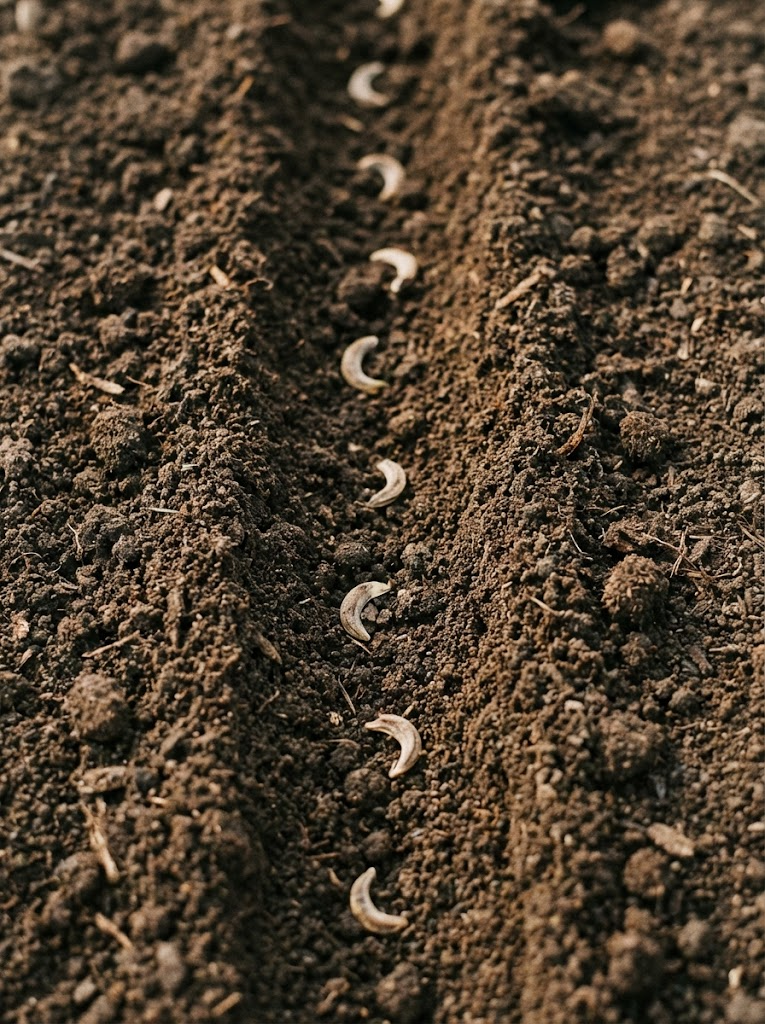
Starting your seeds: Calendula prefers to be direct sown rather than started indoors. It does not love having its roots disturbed. Wait until your last frost date has passed, then press seeds directly into the soil about a quarter inch deep. Here in the Midwest, that window opens in mid-to-late May. Calendula actually tolerates a light frost, so you can push that timing a little early if you want. We’re planting ours around Mother’s Day weekend.
Soil and sunlight: Full sun is ideal, though Calendula will tolerate partial shade. It is not picky about soil quality, which is part of what makes it such a forgiving plant for beginners. Well-draining soil is the main thing to aim for. It does not like wet feet.
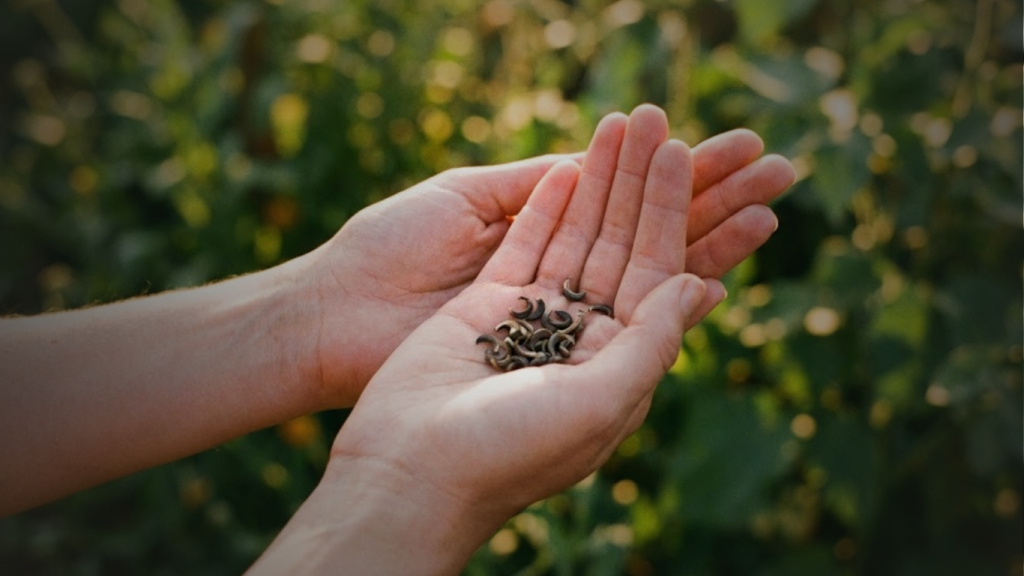
Germination: Expect sprouts in 7 to 14 days. The seeds are distinctive, curved, and textured, almost prehistoric-looking. Once they sprout, they grow quickly.
Watering: Water regularly while establishing, then back off. Calendula is fairly drought-tolerant once it is settled in. Overhead watering can sometimes encourage powdery mildew, so watering at the base of the plant when you can is a good habit.
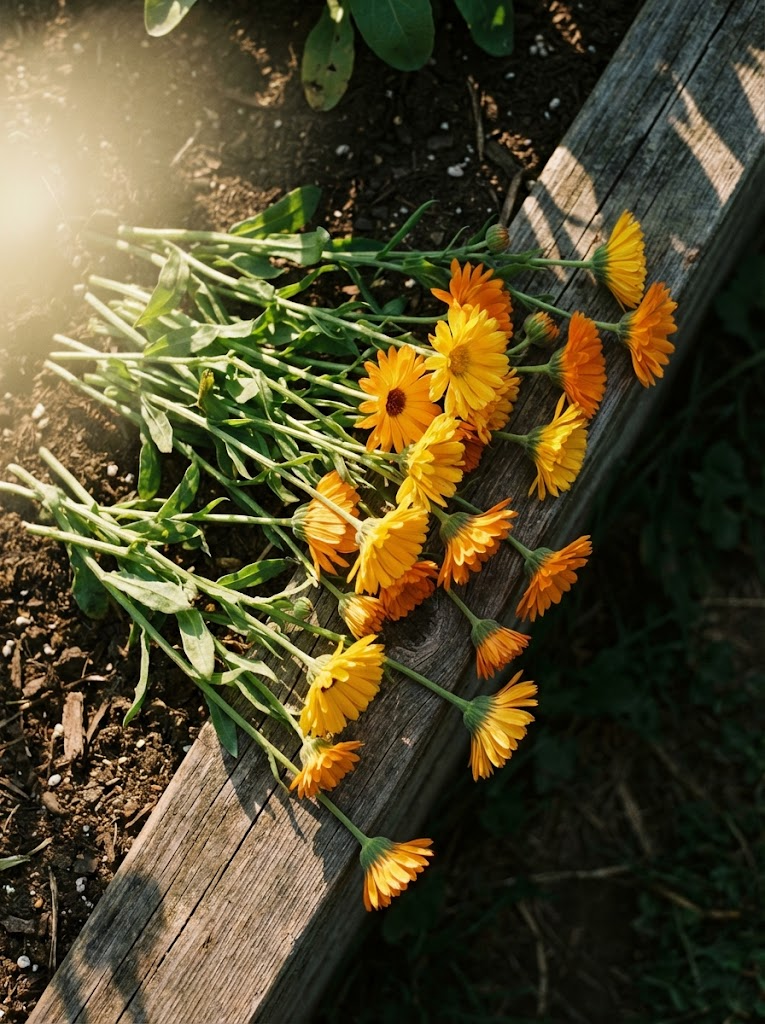
Harvesting: Harvest flower heads in the morning after the dew has dried, when the flowers are fully open. The stickier the better; that resin is what you want. Dry them on a screen or rack in a single layer in a warm spot with good airflow. They are ready to use or store when the petals feel papery, and the base of the flower is fully dry, usually 1 to 2 weeks, depending on humidity.
How Calendula Is Used
This is where Calendula really earns its place in the herb garden. It is incredibly versatile.
Skin healing and care: This is Calendula’s strongest suit. Infused into oil, it supports wound healing, soothes irritated and inflamed skin, and is gentle enough for babies and sensitive skin. We use it in our Diaper Rash Salve, Eczema Salve, and several of our balms for exactly this reason.
Tea and internal use: Calendula tea has a mild, slightly bitter, floral flavor. It supports the lymphatic system, digestive health, and has been used traditionally for menstrual support and reducing internal inflammation.
Culinary use: Fresh or dried petals can be added to salads, soups, rice, and baked goods. They add a golden color and a mild peppery floral flavor. Think of it as a more accessible saffron substitute.
Wound care: Applied topically as a poultice, infused oil, or salve, Calendula accelerates wound healing, reduces redness, and helps prevent infection.
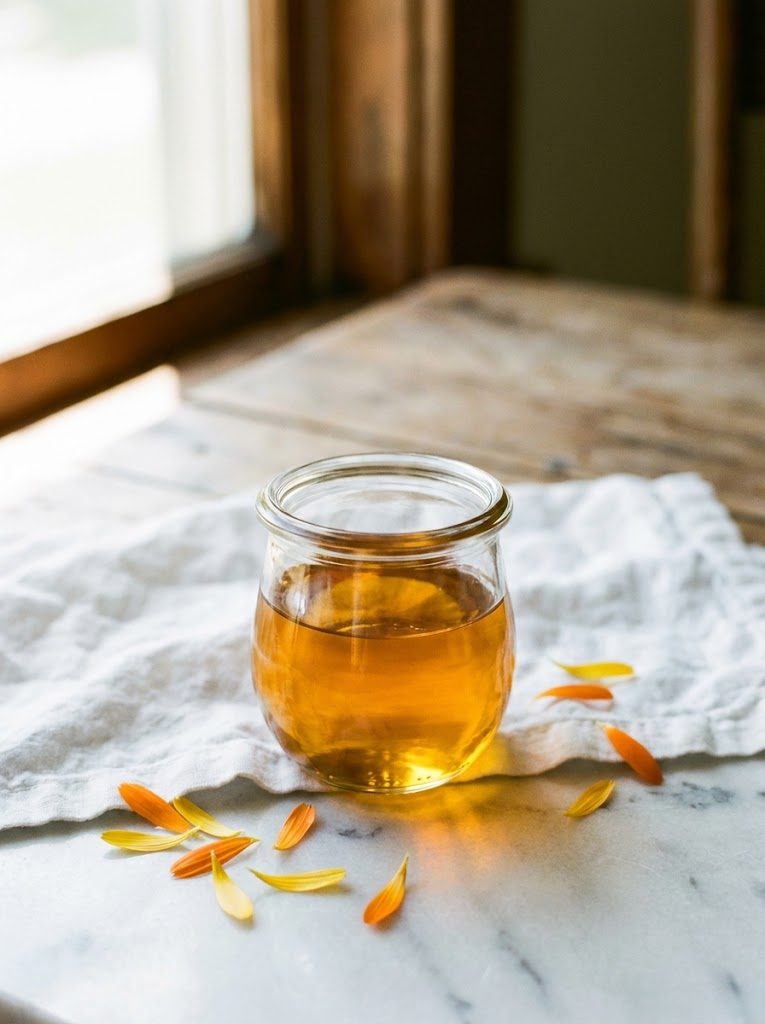
DIY Recipe: Calendula Infused Oil
This is the foundation for so many things you can make with Calendula. Once you have the oil, the possibilities are wide open.
What you need:
Dried Calendula flowers, enough to fill your jar loosely, and a carrier oil of your choice. Olive oil is traditional and deeply nourishing. Sweet almond oil is lighter. Jojoba is shelf-stable and great for facial applications.
Folk method (slow and preferred):
Fill a clean dry jar loosely with dried Calendula flowers. Cover completely with your chosen oil, making sure all plant material is submerged. Cap the jar, label it with the date, and place it in a sunny windowsill or warm spot for 4 to 6 weeks, shaking or stirring daily. Strain through cheesecloth, pressing the flowers to extract every last bit of oil. Store in a dark glass bottle away from heat and light. Shelf life is roughly one year.
Quick method:
Place flowers and oil in a double boiler or slow cooker on the lowest setting. Keep the temperature between 95 and 110 degrees Fahrenheit and infuse for 4 to 8 hours. Strain and store as above.
Use this oil on dry skin, eczema, rashes, minor wounds, and as a base for salves and balms.
DIY Recipe: Simple Calendula Salve
Once you have your infused oil,
this comes together in about 15 minutes.
What you need:
1 cup Calendula infused olive oil 1 ounce beeswax (about 2 tablespoons if using pellets) Optional: 10 to 15 drops of lavender essential oil
Instructions:
Gently melt the beeswax in a double boiler. Add the infused oil and stir to combine. Remove from heat. If using essential oils, add them now and stir quickly. Pour immediately into tins or small glass jars before it sets. Let cool completely undisturbed before capping. This salve keeps for up to a year stored away from heat and light.
Apply to dry cracked skin, minor cuts and scrapes, irritated patches, and anywhere that needs a little extra healing attention.
Why We’re Giving It Away
We believe in the mission of Earth Day not just as a date on the calendar but as a posture toward the natural world. Calendula represents something we come back to over and over in this work: the idea that the earth already provides what we need. That a flower growing in your backyard can do more for your skin than a shelf full of synthetic products. That growing something with your own hands changes the way you think about what you put on and in your body.
Earth Day
04.22.2026
Giving away seeds is our small way of saying that. We want more people in Sioux Falls and beyond growing Calendula in their yards, on their patios, in their windowsills. Because when more people grow it, more people understand it. And when more people understand it, the whole conversation around what we put on our bodies starts to shift.
Happy Earth Day. Go plant something.
Want to skip the DIY this time?
We use Calendula in several of our products, including our Diaper Rash Salve, Eczema Salve, and Tallow Stick.
Stop in or contact us and ask us about it.