Natural Pain Relief – How Herbs Work With Your Body
Pain is your body’s alarm system. It’s not the enemy – it’s the messenger. And yet, our instinct is almost always the same: make it stop as fast as possible.
There’s nothing wrong with wanting relief. Pain is exhausting. It interrupts sleep, derails productivity, and steals joy from everyday moments. But here’s the thing most people don’t realize: how you address pain matters just as much as whether you address it.
Modern medicine has given us powerful tools for pain management. Over-the-counter medications like ibuprofen, aspirin, and acetaminophen can be lifesavers in the right context. But they come with a cost – and not just the financial kind. Long-term use can stress your liver, irritate your stomach lining, and mask underlying issues without actually addressing them.
Herbs create an environment where your body can heal itself. They don’t override your system – they support it.
Herbs offer a different approach. They don’t hijack your body’s pain response or numb your nerves. Instead, they work with your body to create an environment where healing can happen. It’s not about choosing one or the other – it’s about understanding what each approach does, and when each makes sense.
This post is about understanding pain, how herbs address it differently than pharmaceuticals, and how to use herbal remedies wisely and effectively.
Understanding Pain: Acute vs. Chronic
Not all pain is the same. Understanding the difference between acute and chronic pain helps you choose the right approach.
Acute pain is sudden and sharp. It’s your body’s immediate response to injury or illness. A sprained ankle. A headache. A muscle strain from lifting something too heavy. Acute pain typically resolves as the injury heals.
Chronic pain lingers. It’s pain that lasts weeks, months, or even years. Arthritis. Fibromyalgia. Old injuries that never quite healed right. Chronic pain isn’t just about the initial injury – it’s often about inflammation, nerve sensitivity, and your body’s ongoing response to stress.
Both types of pain deserve attention. But they require different strategies.
Acute pain often benefits from immediate intervention – rest, ice, compression, and yes, sometimes medication to manage the initial shock and inflammation.
Chronic pain, on the other hand, benefits from a more holistic approach. Managing inflammation. Supporting your nervous system. Nourishing your body with minerals and nutrients that promote healing. This is where herbs shine.
Nourishing your body with minerals and nutrients that promote healing. This is where herbs shine.
How Pharmaceuticals Address Pain
Most over-the-counter pain relievers fall into two categories:
NSAIDs (Non-Steroidal Anti-Inflammatory Drugs) – ibuprofen, aspirin, naproxen
- How they work: Block enzymes (COX-1 and COX-2) that produce prostaglandins, chemicals that cause inflammation and pain
- Effect: Reduce inflammation and pain signaling
- Downside: Can irritate stomach lining, increase risk of ulcers, stress kidneys and liver with long-term use
Acetaminophen – Tylenol
- How it works: Reduces pain signaling in the brain and may affect body temperature regulation
- Effect: Reduces pain perception and fever
- Downside: Hard on the liver, especially with regular use or alcohol consumption
These medications work by interrupting your body’s natural processes. They block the signals. They numb the response. And while that can be helpful in the short term, it doesn’t address why the pain is happening in the first place.
It’s like pulling the batteries out of a smoke detector instead of putting out the fire.
How Herbs Address Pain Differently
Herbs don’t work by blocking or numbing. They work by supporting your body’s natural healing processes. Here’s how:
1. Anti-Inflammatory Support: Instead of blocking prostaglandin production, many herbs provide compounds that modulate inflammation naturally – without the harsh side effects on your stomach or liver.
2. Nervine Support: Some herbs calm overactive nerves and help regulate pain signaling without numbing the response entirely. They help your nervous system respond appropriately instead of overreacting.
3. Muscle Relaxation: Herbal antispasmodics ease muscle tension and cramping by supporting healthy muscle function, not by forcing muscles to relax.
4. Mineral & Nutrient Support: Many pain conditions (especially muscle pain) are linked to mineral deficiencies. Herbs like nettle provide bioavailable minerals that your body can actually use.
5. Circulatory Support: Proper blood flow is essential for healing. Some herbs improve circulation, bringing oxygen and nutrients to injured areas while clearing away metabolic waste.
The key difference? Herbs create an environment where your body can heal itself. They don’t override your system – they support it.
Key Herbs for Pain Relief
Here are some of the most effective pain-relieving herbs and how they work:

Arnica (Arnica montana)
- Best for: Bruising, muscle soreness, inflammation
- How it works: Reduces inflammation and improves circulation to injured areas
- Form: Topical use only (oil infusions, salves, creams)
- Note: Never ingest arnica – it’s toxic internally
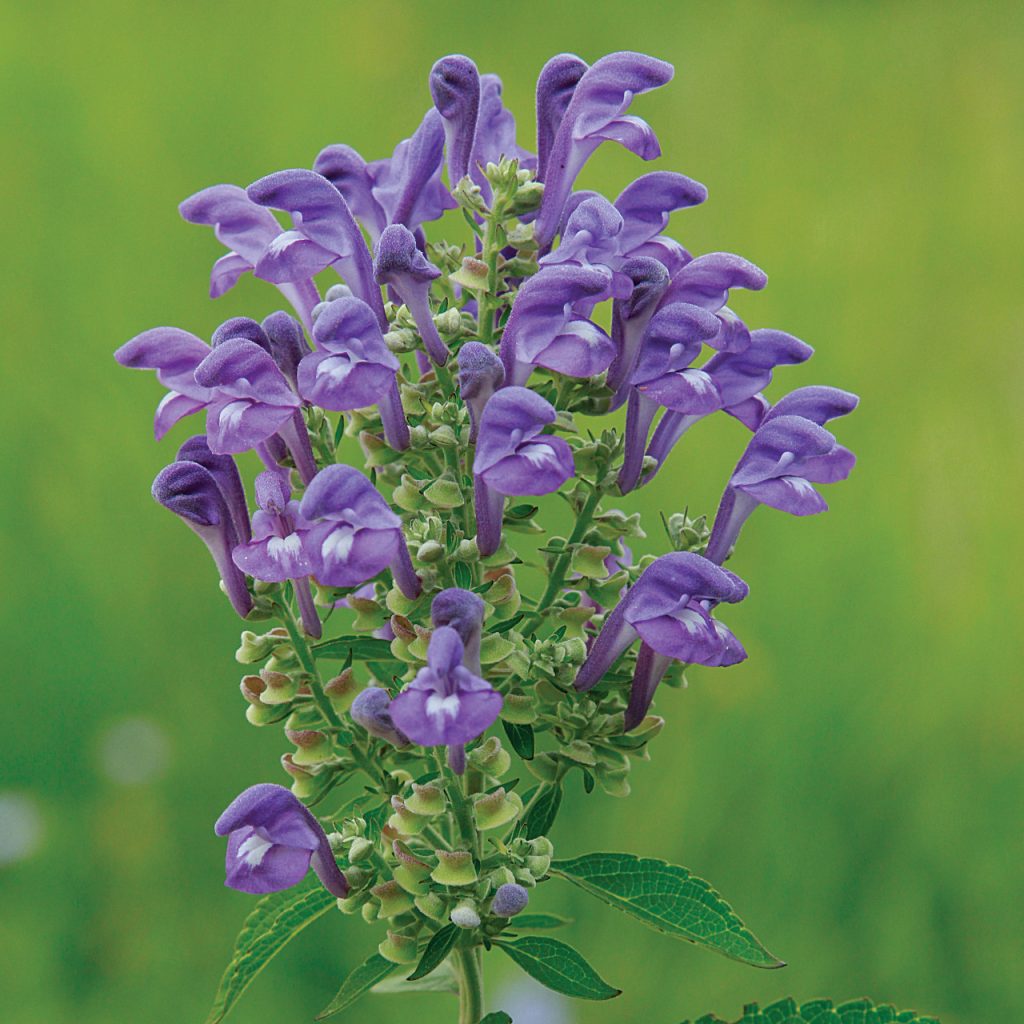
Skullcap (Scutellaria lateriflora)
- Best for: Nerve pain, tension headaches, stress-related pain
- How it works: Calms the nervous system, reduces muscle tension
- Form: Tincture, tea
- Bonus: Helps with anxiety and restlessness that often accompany chronic pain
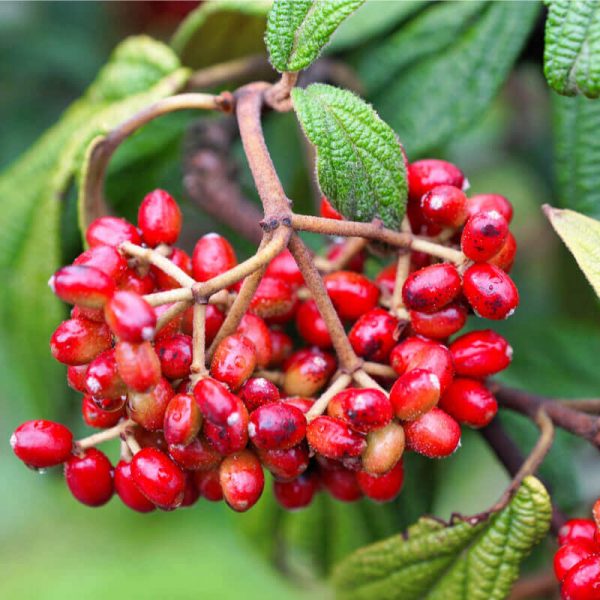
Cramp Bark (Viburnum opulus)
- Best for: Muscle cramps, menstrual cramps, back pain
- How it works: Relaxes smooth and skeletal muscle tissue
- Form: Tincture, decoction
- Note: One of the best antispasmodics available

Ginger (Zingiber officinale)
- Best for: Inflammation, arthritis, digestive-related pain
- How it works: Contains gingerols that reduce inflammatory compounds
- Form: Fresh, dried, tincture, tea
- Bonus: Improves circulation and digestion

Willow Bark (Salix alba)
- Best for: Headaches, back pain, osteoarthritis
- How it works: Contains salicin, which converts to salicylic acid (similar to aspirin but gentler)
- Form: Tea, tincture, capsule
- Note: Avoid if allergic to aspirin
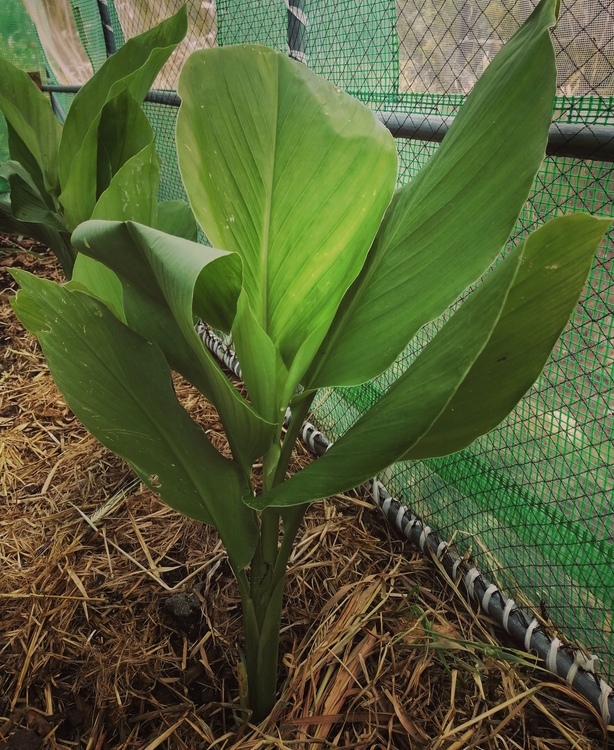
Turmeric (Curcuma longa)
- Best for: Joint pain, arthritis, chronic inflammation
- How it works: Curcumin inhibits inflammatory pathways
- Form: Fresh, powdered, tincture (best absorbed with black pepper)
- Bonus: Supports liver health

Cayenne (Capsicum annuum)
- Best for: Muscle pain, arthritis, nerve pain
- How it works: Capsaicin depletes substance P (a pain neurotransmitter)
- Form: Topical creams, oils
- Note: Start with low concentrations – it creates warmth/burning sensation
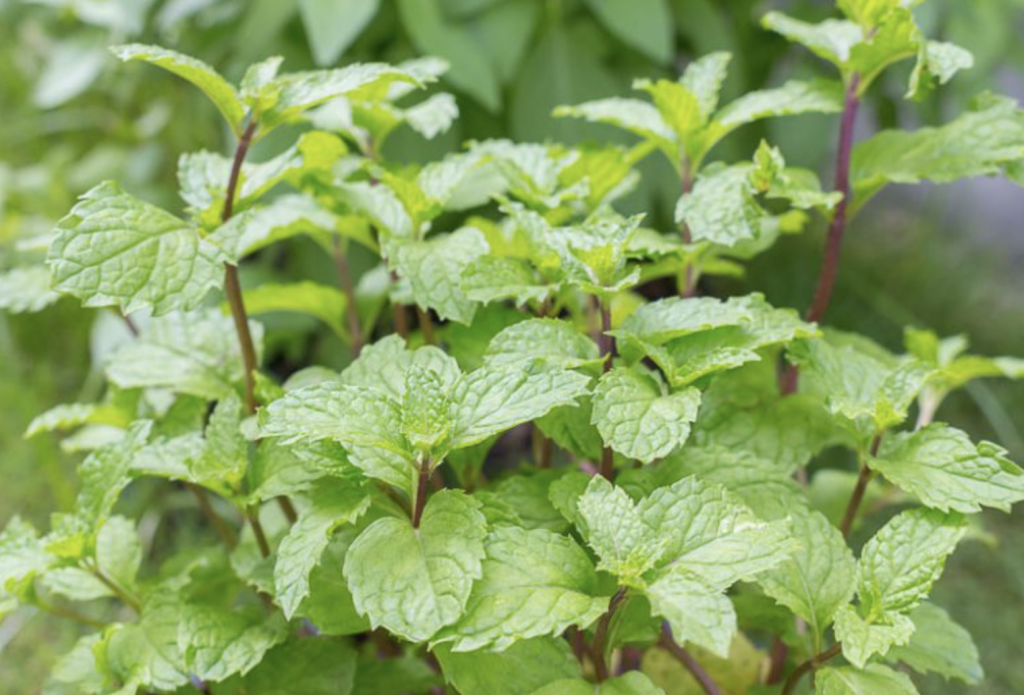
Peppermint & Eucalyptus (Mentha piperita & Eucalyptus globulus)
- Best for: Muscle tension, headaches, sore muscles
- How it works: Cooling and warming sensation distracts from pain, improves circulation
- Form: Essential oils (topical), tea
- Note: Creates a soothing, analgesic effect on skin
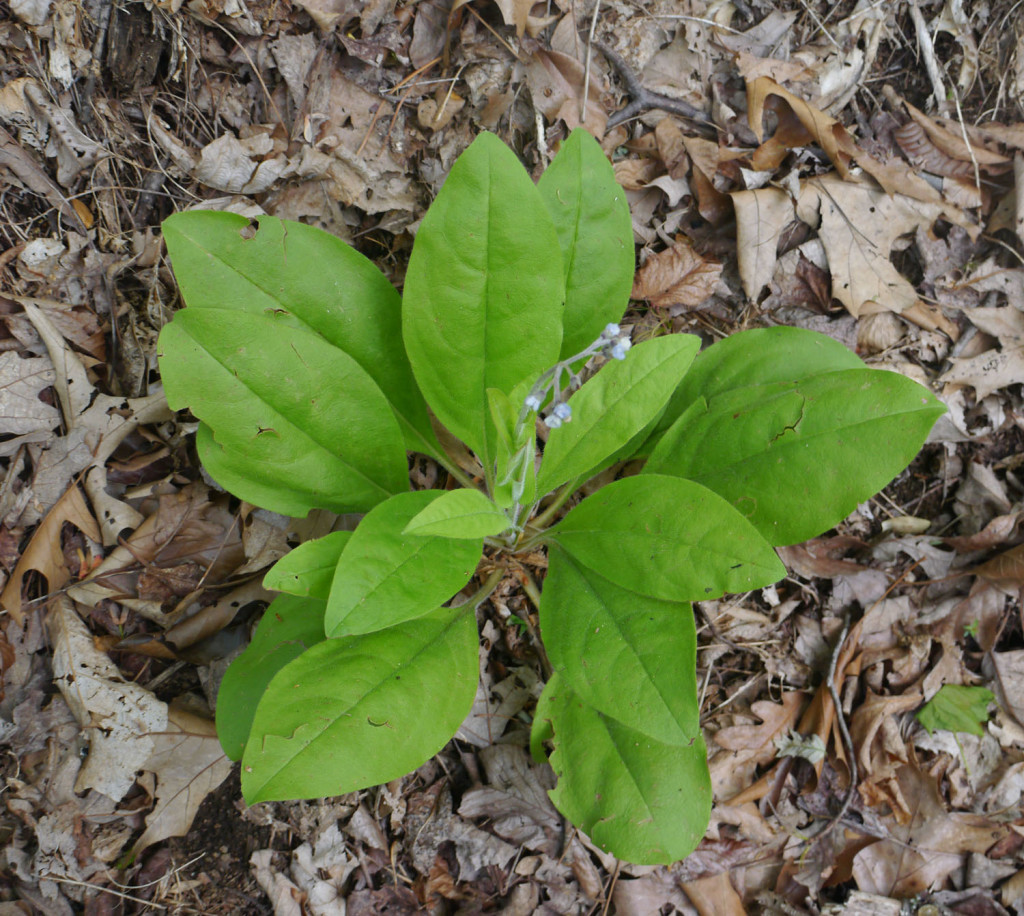
Comfrey (Symphytum officinale)
- Best for: Bone pain, bruising, sprains
- How it works: Contains allantoin, which promotes tissue repair
- Form: Topical use only (salves, poultices)
- Note: Do not use on open wounds or ingest

Nettle (Urtica dioica)
- Best for: Arthritis, muscle pain, mineral deficiency-related pain
- How it works: Provides bioavailable minerals (magnesium, calcium, iron) that support muscle and nerve function
- Form: Tea, tincture, fresh (cooked)
- Bonus: Anti-inflammatory and deeply nourishing
Magnesium (from herbs and minerals)
- Best for: Muscle cramps, tension, restless legs, headaches
- How it works: Relaxes muscles, supports nerve function
- Form: Topical magnesium (chloride), Epsom salts (sulfate), herbal sources like nettle
- Note: Most people are deficient in magnesium
Using Herbs for Pain: Practical Tips
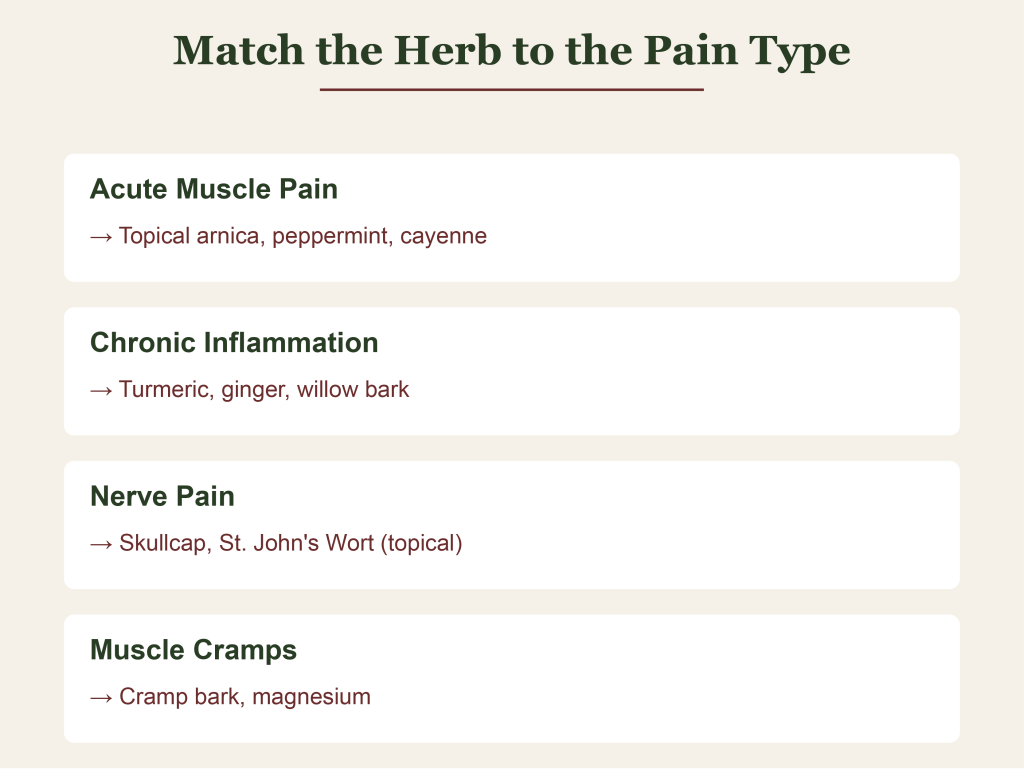
1. Match the herb to the pain type
- Acute muscle pain → Topical arnica, peppermint, cayenne
- Chronic inflammation → Turmeric, ginger, willow bark
- Nerve pain → Skullcap, St. John’s Wort (topical)
- Muscle cramps → Cramp bark, magnesium
2. Combine topical and internal support Topical applications (salves, oils, creams) provide immediate, localized relief. Internal herbs (tinctures, teas) address underlying inflammation and support your body systemically. Using both gives you the best of both worlds.
3. Start low, go slow Herbs are gentle, but that doesn’t mean you should start with high doses. Begin with recommended amounts and give your body time to respond. Pain relief from herbs may take longer than pharmaceuticals, but it’s also gentler and more sustainable.
4. Be consistent Chronic pain requires consistent support. Taking a pain-relief tincture once won’t undo months of inflammation. Daily use (within safe parameters) allows herbs to build in your system and create lasting change.
5. Layer your support Herbs work best as part of a holistic approach:
- Adequate sleep
- Hydration
- Anti-inflammatory diet
- Gentle movement (yoga, walking, stretching)
- Stress management
6. Know when to see a doctor Herbs are powerful, but they’re not a replacement for medical care in serious situations. If pain is severe, sudden, or accompanied by other concerning symptoms (fever, swelling, numbness, loss of function), see a healthcare provider.
Topical vs. Internal: When to Use What
Topical applications (salves, creams, oils, soaks) are best for:
- Localized pain (sore shoulder, tight back, achy knee)
- Immediate relief
- Muscle tension
- Skin-level issues (bruising, surface inflammation)
Internal herbs (tinctures, teas, capsules) are best for:
- Systemic inflammation (arthritis, fibromyalgia)
- Nerve pain
- Chronic conditions
- Whole-body support
Full-body soaks (bath salts with Epsom, Dead Sea, and Himalayan salts + herbs) bridge the gap:
- Magnesium absorbs through skin
- Warmth relaxes muscles
- Herbal-infused oils provide anti-inflammatory compounds
- Creates a reset for the entire body
Real-Life Pain Relief: Putting It All Together
Let’s look at a few common pain scenarios and how you might approach them with herbs:
Scenario 1: Post-Workout Muscle Soreness
- Topical: Arnica-infused oil or magnesium cream on sore areas
- Internal: Nettle tea for mineral replenishment
- Bonus: Epsom salt soak to relax muscles and reduce inflammation
Scenario 2: Chronic Lower Back Pain
- Topical: Peppermint and cayenne-infused oil for immediate relief
- Internal: Cramp bark and ginger tincture to reduce muscle spasms and inflammation
- Lifestyle: Gentle stretching, anti-inflammatory diet, adequate hydration
Scenario 3: Arthritis Flare-Up
- Topical: Arnica or comfrey salve on affected joints
- Internal: Turmeric and willow bark tincture for systemic inflammation
- Bonus: Nettle tea for long-term mineral support
Scenario 4: Tension Headache
- Topical: Peppermint oil on temples and back of neck
- Internal: Skullcap tincture to calm the nervous system
- Lifestyle: Hydration, rest, reduction of screen time
Scenario 5: Menstrual Cramps
- Topical: Magnesium cream on lower abdomen
- Internal: Cramp bark and ginger tincture
- Bonus: Warm bath with Epsom salts and lavender
Our Approach to Pain Relief
At Juniper Apothecary, we’ve spent years formulating pain relief products that combine the best pain-relieving herbs in forms that actually work.
Miracle Muscles is our most-loved topical pain reliever. It combines magnesium (about 200mg per teaspoon), arnica and dandelion-infused olive oil, and a blend of peppermint, eucalyptus, cinnamon, and clove essential oils. It provides immediate relief for sore muscles, arthritis, and everyday aches.
Recover Bath Salt Soak is our full-body reset. A blend of Epsom, Dead Sea, and Himalayan salts delivers minerals through your skin while eucalyptus essential oil, arnica-infused oil, aloe powder, comfrey leaf, and colloidal oatmeal soothe inflammation and support muscle recovery. It’s what you reach for after a hard week – or as a foot soak after a long day on your feet.
Pain Away Tincture is our internal support. A blend of skullcap, cramp bark, and ginger works with your body to address pain from the inside out. It’s for chronic pain, tension headaches, and muscle cramps that need more than topical relief.
Each product was formulated with intention. Small batches. Real ingredients. And a deep respect for what herbs can do when you give them a chance.
Final Thoughts
Pain doesn’t have to be a way of life. And relief doesn’t have to come at the cost of your liver, your stomach, or your long-term health.
Herbs offer a different path – one that works with your body, not against it. They won’t numb the pain overnight. They won’t override your system. But they will create an environment where healing can happen. And over time, that makes all the difference.
God designed our bodies to work as a whole system. Give that system the right support, and it’s capable of incredible things.
Whether you’re dealing with acute soreness or chronic pain, there’s an herbal option worth trying. Start small. Be consistent. And give your body the support it deserves.