Topical Magnesium: Everything You Need to Know
How it works, what it does, and why you need it.
A few weeks ago, in the middle of moving into our new space with boxes stacked to the ceiling and movers coming in and out the front door, I got a phone call.
A customer had heard we were moving and was worried she would not be able to get her magnesium cream in time. She needed it, she said. Not wanted. Needed. It was the only thing that helped her sleep. Restless legs, muscle cramps, autoimmune issues. She had tried other things. Our magnesium cream was what worked.
I found the box with the ripped handle, the one I had overfilled. I texted her the new address. She was there in ten minutes. By the time she left we were both a little teary.
That moment has stuck with me and I thought it was time to share just what magnesium is, how it’s used, and why you need it. Magnesium cream is one of our longest standing bestsellers and one of the products I am most proud of. But I realized I have never properly explained what it is, how it works, or why so many people reach for it the way this customer does.
So here is everything you need to know.
What Is Magnesium and Why Does It Matter
Magnesium is one of the most essential minerals in the human body. It is involved in over 300 enzymatic reactions, including energy production, muscle contraction and relaxation, nerve signaling, protein synthesis, blood sugar regulation, and bone development.¹

It is also one of the most commonly deficient minerals in the modern population. Approximately 45 percent of Americans are magnesium deficient, and 60 percent of adults do not reach the average daily intake recommended by health authorities.²
The reasons for this are worth understanding because they speak to why supplementation matters more than ever.
Modern agricultural practices have depleted magnesium from our soil over the past several decades. This means the fruits, vegetables, and grains we eat contain significantly less magnesium than they did a generation ago, even when we are eating well. Processed and refined foods, which make up a large portion of the standard American diet, are essentially stripped of magnesium entirely. Chronic stress, certain medications including diuretics and proton pump inhibitors, and digestive conditions that impair nutrient absorption all compound the problem.
The result is a population that is quietly running low on a mineral their bodies need for hundreds of functions, often without obvious symptoms until the deficiency becomes significant.
What Magnesium Deficiency Actually Feels Like
This is the part that often surprises people because the symptoms of low magnesium are so common that many people have normalized them as just part of life.
Muscle cramps, twitches, and spasms. Restless legs. Difficulty falling or staying asleep. Chronic fatigue. Headaches and migraines. Anxiety and irritability. Brain fog. Heart palpitations. High blood pressure. Joint pain and stiffness.

If several of those sound familiar, you are not alone. And magnesium deficiency may not be the only explanation, but it is worth considering given how prevalent deficiency is and how central magnesium is to the systems those symptoms involve.
The Different Forms of Magnesium

Not all magnesium is the same and this is where a lot of confusion begins. Different forms of magnesium have different absorption rates, different therapeutic strengths, and different applications. Here is a practical overview:
Magnesium glycinate is magnesium bound to the amino acid glycine. It is one of the most bioavailable oral forms and is gentle on the digestive system. It is particularly effective for sleep support, anxiety, and general deficiency correction. This is often the form practitioners recommend for long-term supplementation.
Magnesium citrate is magnesium bound to citric acid. It absorbs well and is widely available. At higher doses it has a laxative effect, which makes it useful for constipation but less ideal for people who need high doses without digestive disruption.
Magnesium malate is magnesium bound to malic acid. It is often recommended for energy production and muscle pain, particularly for people dealing with fibromyalgia or chronic fatigue.
Magnesium threonate is a newer form that has shown particular ability to cross the blood-brain barrier, making it of interest for cognitive function and neurological support.
Magnesium oxide is the least bioavailable form and the one most commonly found in low-cost supplements. It works for constipation but is a poor choice for correcting deficiency.
Magnesium chloride is the form most associated with topical application. It is highly water-soluble, absorbs readily, and has one of the strongest safety profiles of any magnesium compound. It is also the form we use across our entire topical magnesium line, and the reason for that choice matters.
Oral vs Topical: Why Both Exist
Before we talk about topical magnesium specifically, it helps to understand why people use it alongside rather than instead of oral magnesium.
Oral magnesium is effective for raising systemic magnesium levels over time. But it comes with a well-known limitation: the digestive system. High doses of oral magnesium commonly cause loose stools, cramping, and digestive discomfort. The body regulates how much magnesium it absorbs through the gut, which means there is a ceiling on how much you can take orally before running into problems. For people with sensitive digestion, inflammatory bowel conditions, or those who simply cannot tolerate the digestive effects, oral magnesium is not always a comfortable long-term solution.
Topical magnesium takes a different route entirely. Applied to the skin, it bypasses the digestive system completely. There is no stomach involvement, no laxative effect, no digestive discomfort. The application is localized, meaning you put it where you need it, on cramping legs, a tense neck, aching joints, the soles of your feet before sleep.

Here is where I want to be honest with you, because that is how we do things around here.
The question of whether topical magnesium raises systemic blood levels the way oral magnesium does is genuinely debated in the scientific literature. Some studies, including research from the University of Queensland, have shown that magnesium can be absorbed through the skin via hair follicles.³ A pilot study found that transdermally applied magnesium cream increased magnesium levels in participants.⁴ The Mayo Clinic conducted a study on transdermal magnesium oil for fibromyalgia with significant symptom improvement across all participants.⁵
However, a 2017 review in the journal Nutrients concluded that the evidence for transdermal magnesium meaningfully raising serum levels systemically remains insufficient and called for more rigorous research.⁶
So what does that mean for whether you should use it?
It means topical magnesium is best understood as a localized therapy rather than a systemic one. The people who use our magnesium creams are not primarily using them to correct a systemic deficiency measured in a blood test. They are using them to relax a cramping muscle in the moment. To calm restless legs before sleep. To ease joint stiffness after a workout. To support the nervous system through the skin at the site where they feel it most.
That mechanism, localized mineral contact and the well-documented muscle-relaxing properties of magnesium at the application site, is real, is supported, and is exactly what our customers experience. The woman who drove across town for her magnesium cream in the middle of our move was not chasing a blood level. She was chasing sleep. And it works for that.
Why Magnesium Chloride for Topical Use
We use magnesium chloride across all of our topical formulas and this was a deliberate choice.
Magnesium chloride is the most water-soluble form of magnesium, which matters for topical absorption. The chloride ion is one of the most abundant ions in the human body and your cells already have dedicated chloride channels. This biological familiarity means magnesium chloride integrates more readily into the skin’s existing transport mechanisms than other forms.⁷
Magnesium chloride speaks your body’s language.
Your body uses magnesium in over 300 enzymatic reactions. Most Americans are not getting enough. Magnesium chloride is twice as water-soluble as magnesium sulfate, making it the preferred form for topical absorption.
Compared to magnesium sulfate, the form found in Epsom salts, magnesium chloride shows higher bioavailability and lower tissue toxicity in comparative research.⁸ It has a cleaner, less irritating profile on the skin and is the form most commonly chosen by formulators who prioritize both efficacy and skin tolerance.
It is also the form with the most research specifically on topical application. When you see studies on transdermal magnesium, magnesium chloride is almost always the form being studied.
What Makes Our Formulas Different
Most magnesium creams on the market are essentially magnesium oil in a lotion base. We took a different approach.

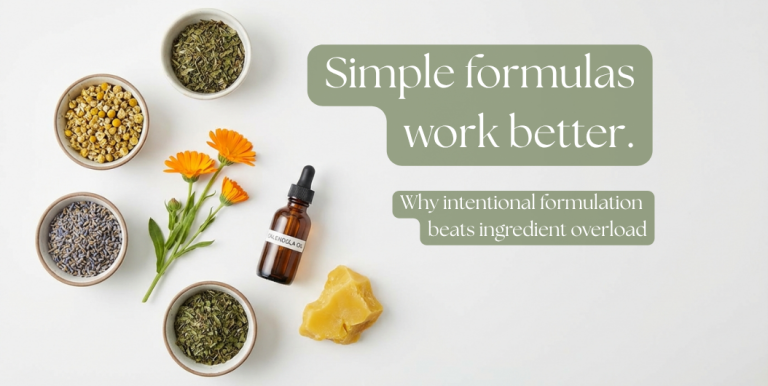
Every cream in our line is built on a foundation of botanically infused olive oil. This is not a shortcut or a marketing claim. Infusing herbs into the carrier oil is a labor-intensive process that concentrates the therapeutic compounds of those plants directly into the base that carries the magnesium to your skin. The result is a formula where every ingredient is doing specific work, not just existing as filler.
Miracle Muscles was the first magnesium cream I ever made, and I made it for my husband, Joshua. He was training for a marathon many years ago and his muscle recovery was brutal. I infused dandelion and arnica into olive oil as the base. Dandelion for its anti-inflammatory properties and circulation support. Arnica for its well-documented topical effects on bruising, muscle soreness, and joint pain. Then I added magnesium oil and a warming essential oil blend of peppermint, eucalyptus, cinnamon, and clove to bring circulation to the surface and create that deep heat sensation that tired muscles respond to.
Joshua called it Miracle Muscles. Because according to him, his recovery was practically a miracle. That name stuck for a reason.
Our customers have since told us about joint pain relief, post-surgery recovery, stubborn muscle tension, headache relief applied at the temples and base of the skull, and more uses than I could have anticipated when I was making it in our kitchen.


Sleep Cream came next, built around a completely different intention. The base is lavender, dandelion, and St. John’s Wort infused olive oil. St. John’s Wort has a long history of use for nerve pain and nervous system support. Lavender is one of the most well-researched botanicals for sleep and anxiety support. The essential oil blend of lavender and orange reinforces the calming direction of the whole formula.
This one is applied to the feet, the calves, or anywhere restless legs make themselves known before bed. The combination of magnesium chloride and the calming botanical base creates something that genuinely supports the transition into sleep, and our customers with restless leg syndrome and autoimmune-related sleep disruption have been some of our most loyal.
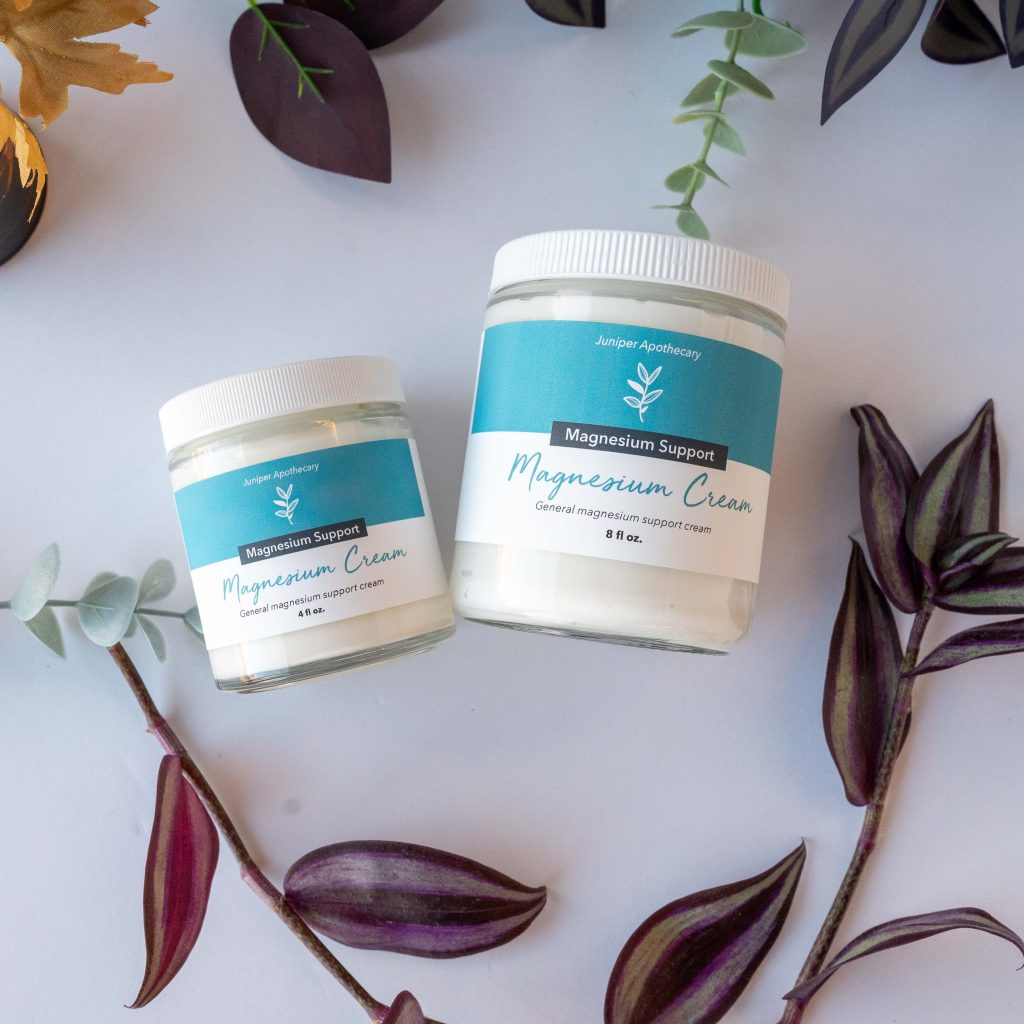
Magnesium Cream is our unscented base formula for people who want the magnesium without added essential oils. Olive oil, magnesium oil, aloe vera, and our natural preservative system. Simple, clean, and ideal for people with scent sensitivities or those who want to use magnesium cream on their children without any scent.
For those who want magnesium in a different format, we also offer a Magnesium Spray made from pure magnesium chloride, ideal for a quick application after workouts or before bed, and a Magnesium Stick, a twist-up balm combining magnesium oil with mango butter, olive oil, beeswax, lavender, and camphor for targeted application to sore joints and tight muscles without any mess.
How to Use Topical Magnesium Effectively
Application matters more than most people realize. A few guidelines that make a real difference:
Apply to thin-skinned areas. The inner wrists, the inner forearms, the abdomen, the soles of the feet, and behind the knees all absorb topical products more readily than thicker-skinned areas like the palms or the upper back. For sleep support specifically, the feet are one of the most effective application sites.
Massage it in. Do not just swipe and walk away. Spending thirty seconds massaging the cream into the skin improves absorption and activates the circulation-supporting ingredients in formulas like Miracle Muscles.
Be consistent. Topical magnesium is not a one-time intervention. People who see the most benefit use it regularly, building a habit around specific moments like post-workout, pre-bed, or after a bath when the skin is warm and more receptive.
Combine approaches if needed. If you are dealing with a significant deficiency, topical magnesium is an excellent complement to oral supplementation rather than a replacement. The two approaches work differently and work well together.
A slight tingling is normal. Particularly with the spray applied to skin that has not been introduced to it before. This is normal and typically fades with regular use.
Pro Tip: Apply Right After Your Shower
Warm, damp skin is the ideal canvas for topical magnesium. Heat opens the pores and softens the skin barrier, making it significantly more receptive to what you put on it. Instead of drying off completely, apply your magnesium cream while your skin is still slightly warm and damp from the shower. The difference in how it absorbs and how quickly you feel it is noticeable. This single habit change is one of the most common things we tell customers who feel like their cream is not working as well as they hoped.
A Note on Our Products
Our magnesium line is available in store and online. Miracle Muscles and Sleep Cream come in three sizes. The base Magnesium Cream is available unscented for those who prefer a scent-free option. The Magnesium Spray and Magnesium Stick offer alternatives for people who want targeted or on-the-go application.
If you are not sure where to start, come in and ask us. We have had enough conversations about magnesium at this point that we can usually point you in the right direction pretty quickly.
References
- National Institutes of Health Office of Dietary Supplements. Magnesium Fact Sheet for Health Professionals. Available at: ods.od.nih.gov/factsheets/Magnesium-HealthProfessional
- Rosique-Esteban N, et al. Challenges in the Diagnosis of Magnesium Status. Nutrients. 2018;10(9):1202. Available at: pmc.ncbi.nlm.nih.gov/articles/PMC6163803
- Chandrasekaran NC, et al. Magnesium absorption through the skin. University of Queensland study. As reported by National Custom Compounding. Available at: customcompounding.com.au/study-proves-magnesium-is-absorbed-through-skin-via-hair-follicles
- BetterYou. Transdermal Magnesium Absorption Evidence. Available at: betteryou.com/pages/evidence-of-transdermal-magnesium-absorption
- Mayo Clinic fibromyalgia study on transdermal magnesium oil. As cited in multiple sources.
- Gröber U, Werner T, Vormann J, Kisters K. Myth or Reality — Transdermal Magnesium? Nutrients. 2017;9(8):813. Available at: ncbi.nlm.nih.gov/pmc/articles/PMC5579607
- Coach Soak. Magnesium Chloride vs Magnesium Sulfate Absorption Comparison. Available at: coachsoak.com/blogs/coachs-corner/epsom-salt-vs-magnesium-chloride
- Firoz M, Graber M. Bioavailability of US commercial magnesium preparations. Magnesium Research. 2001;14(4):257-262.